RITMO
Centre for Interdisciplinary Studies
in Rhythm, Time and Motion
A Norwegian Centre of Excellence at the University of Oslo
uio.no/ritmo

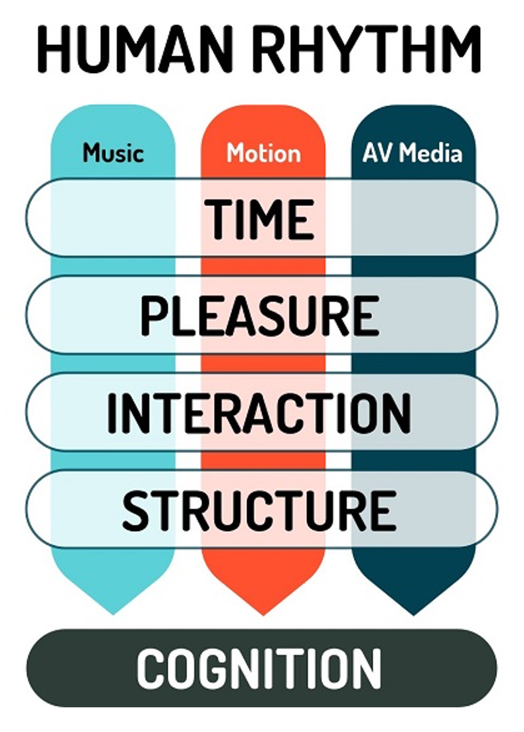
Why?
Why study rhythm?

Rhythm is everywhere, from walking, talking, dancing and playing to telling stories about the past and predicting the future.
RITMO aims to expand our understanding of rhythm as a fundamental property of human life.
Rhythm: a structuring mechanism for the temporal dimensions of human life
What are the basic structures and features of rhythmic phenomena?
The linkWhat are the mechanisms underlying human perception and cognition of rhythm?
What?
What do we study?
What we study

Rhythm in music and dance

Rhythm in the brain

Rhythm between people

Rhythm in machines and cells
Rhythm in music and dance
Microrhythm and groove
How timing and sound interact in the smallest details of rhythm
Fragmented grooves
Sample-based, cut-and-paste and glitch aesthetics
Time and form
Rhythm, metre and expressivity in Schubert's music
Music and dance from Mali
Djembe drumming and dance as multimodal rhythm
AI for music analysis
Teaching computers to listen to and describe music
Structure & Aesthetics
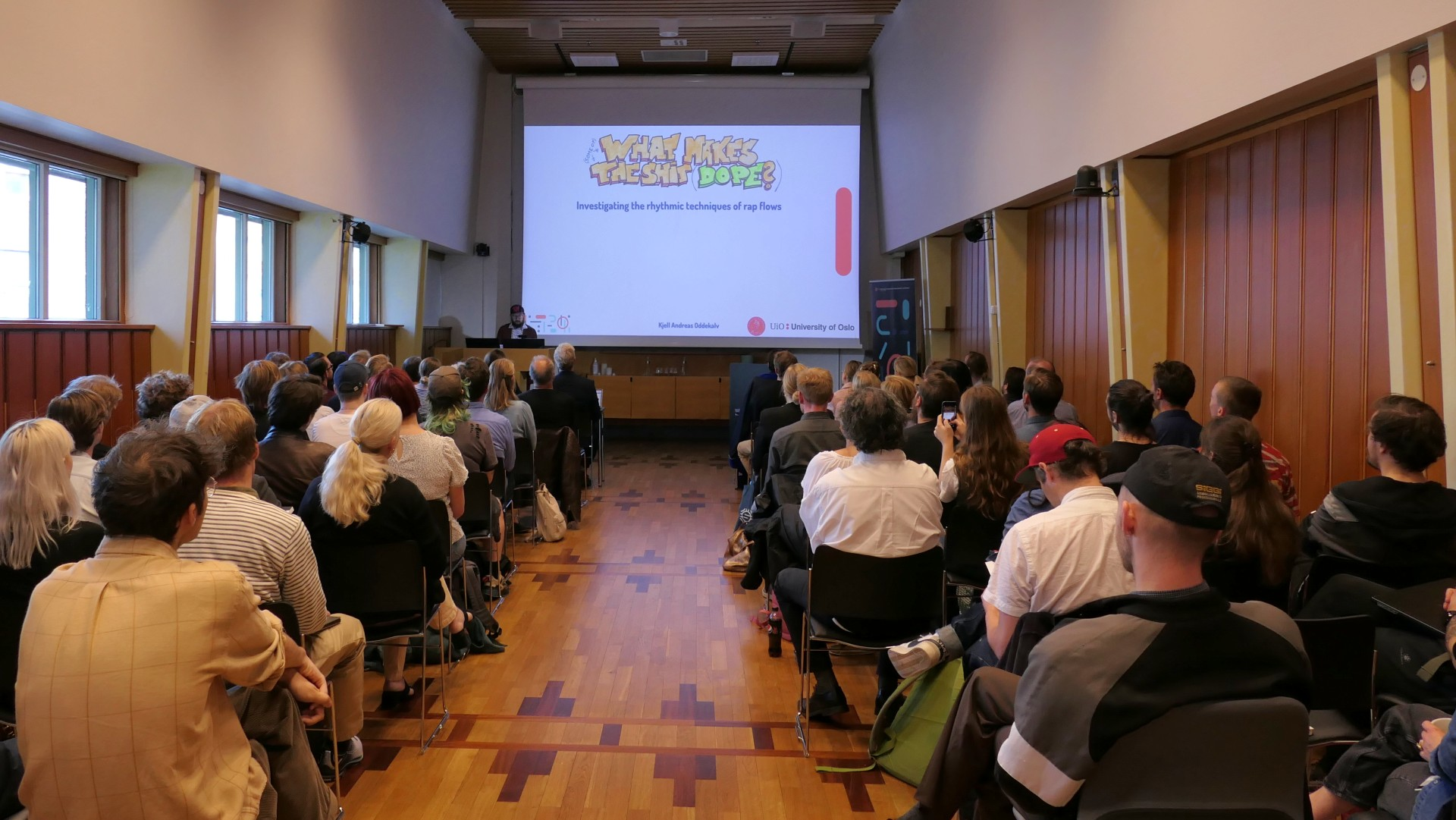
What makes rap flows dope?
Rhythm in the brain
Prediction
How the brain anticipates what comes next
Mental effort
Attention and effort, seen through the pupils and fMRI
Individual differences
Why rhythmic ability varies between people
Illusions of time
How the brain builds stable percepts from timing
Structure & Cognition
Do the pupils reveal how much you want to move to the beat?
Rhythm between people
Entrainment and bonding
How moving together makes us feel together
Absorption and chills
Engagement, absorption and the pleasure of musical chills
Bodies in concert
Motion and physiology of musicians and audiences, live
Micromotion
The smallest movements, from standstill to dancing
Rhythms around us
The sonic and visual background of everyday rooms
Interaction & Pleasure
Do musicians synchronise their heartbeats?
Rhythm in machines and cells
Robots and models
Building models and robots to understand rhythm and motion
Musical interfaces
New instruments for musical human-computer interaction
Predictive robots
Robots that sense, predict and act
Collective robotics
Robots that entrain to each other
Rhythms of life
Sound and stem cells, organoids, and the rhythms of cells
Interaction & Robotics
Can robots be moved by music?
Rhythms of life
How does sound affect cells grown in the lab?
How?
How do we study it?
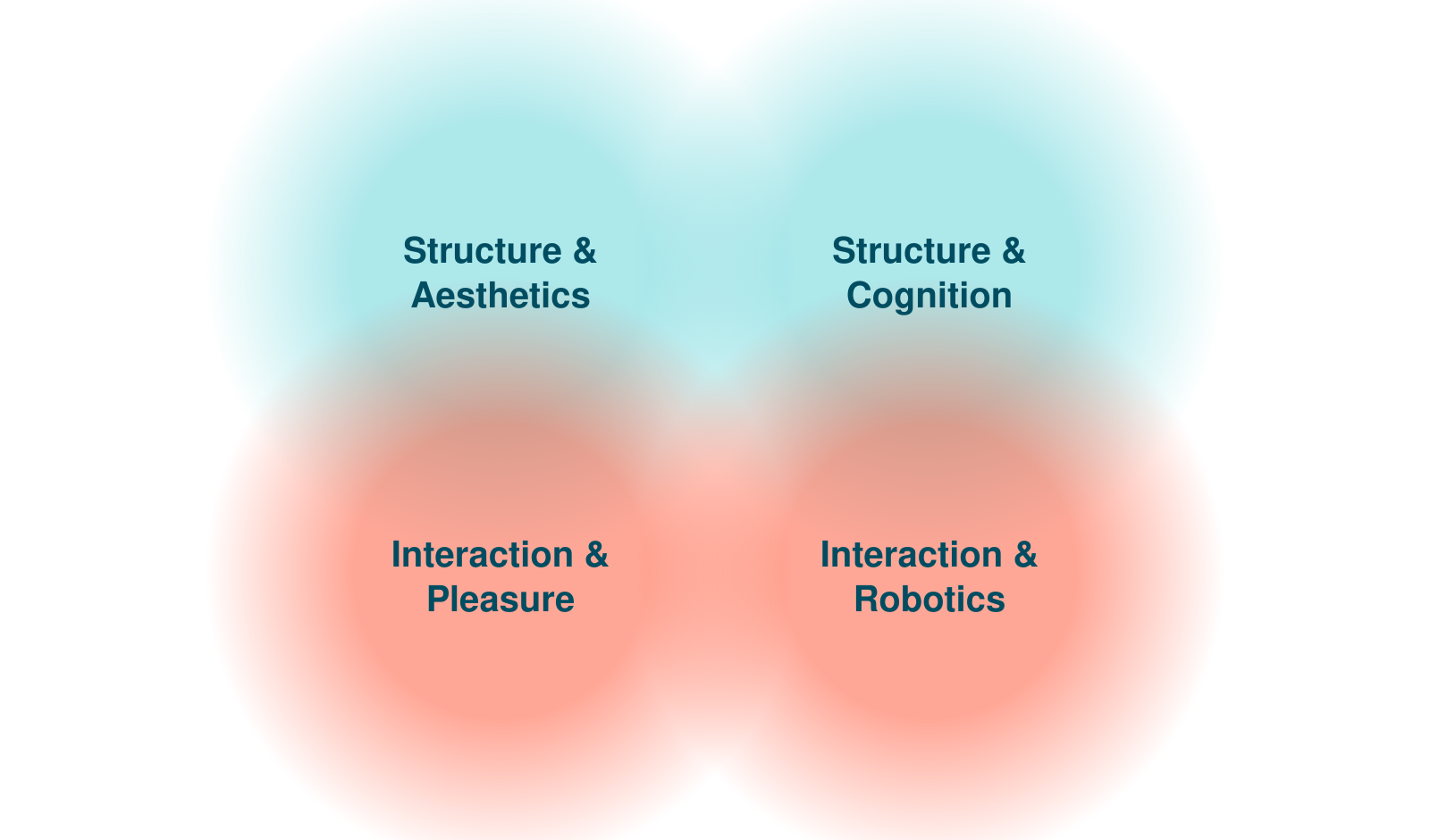
We organise the work in four clusters
Structure & Aesthetics
Musical rhythm and time, in experience and practice.


Structure & Cognition
How rhythm and time are constructed in the mind.
Interaction & Pleasure
Why rhythm makes us move, and moves us together.


Interaction & Robotics
Rhythm and motion in robots and interactive systems.
Clusters with fuzzy borders
Clusters that follow the people
2018
Three clusters: Rhythm, Time and Motion
2019
Four clusters across the disciplines
2022
Structure & Time becomes Structure & Aesthetics
The structure has changed several times, as people came and went.
Three departments, one phenomenon
Musicology
Music and media studies, philosophy and aesthetics
Psychology
Cognitive neuroscience and music psychology
Informatics
Robotics, machine learning and interactive systems
Faculties of Humanities, Social Sciences, and Mathematics and Natural Sciences







 Psychology
Informatics
Musicology
Psychology
Informatics
Musicology
data
theory
terminology
questions
Psychology
Informatics
Musicology
Life science
Physics
Hypothesis-driven Data-
driven Making-
driven Ideas-
driven
Methods
Motion capture
Bodies in motion, from micromotion to dance
Neuroimaging
EEG and fMRI, prediction and timing
Pupillometry
Eye tracking, effort and arousal
Robotics
Machine learning and musical agents
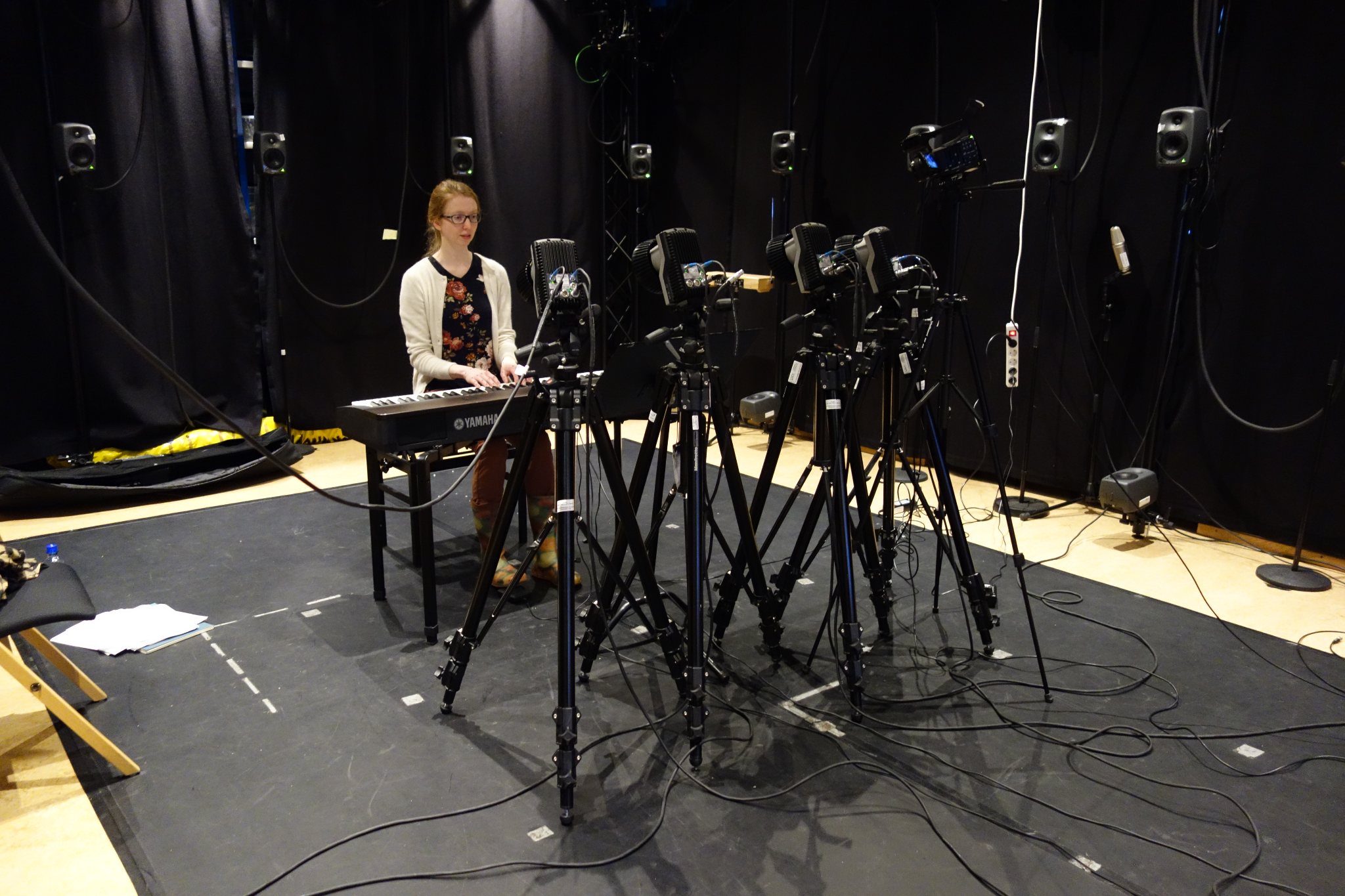
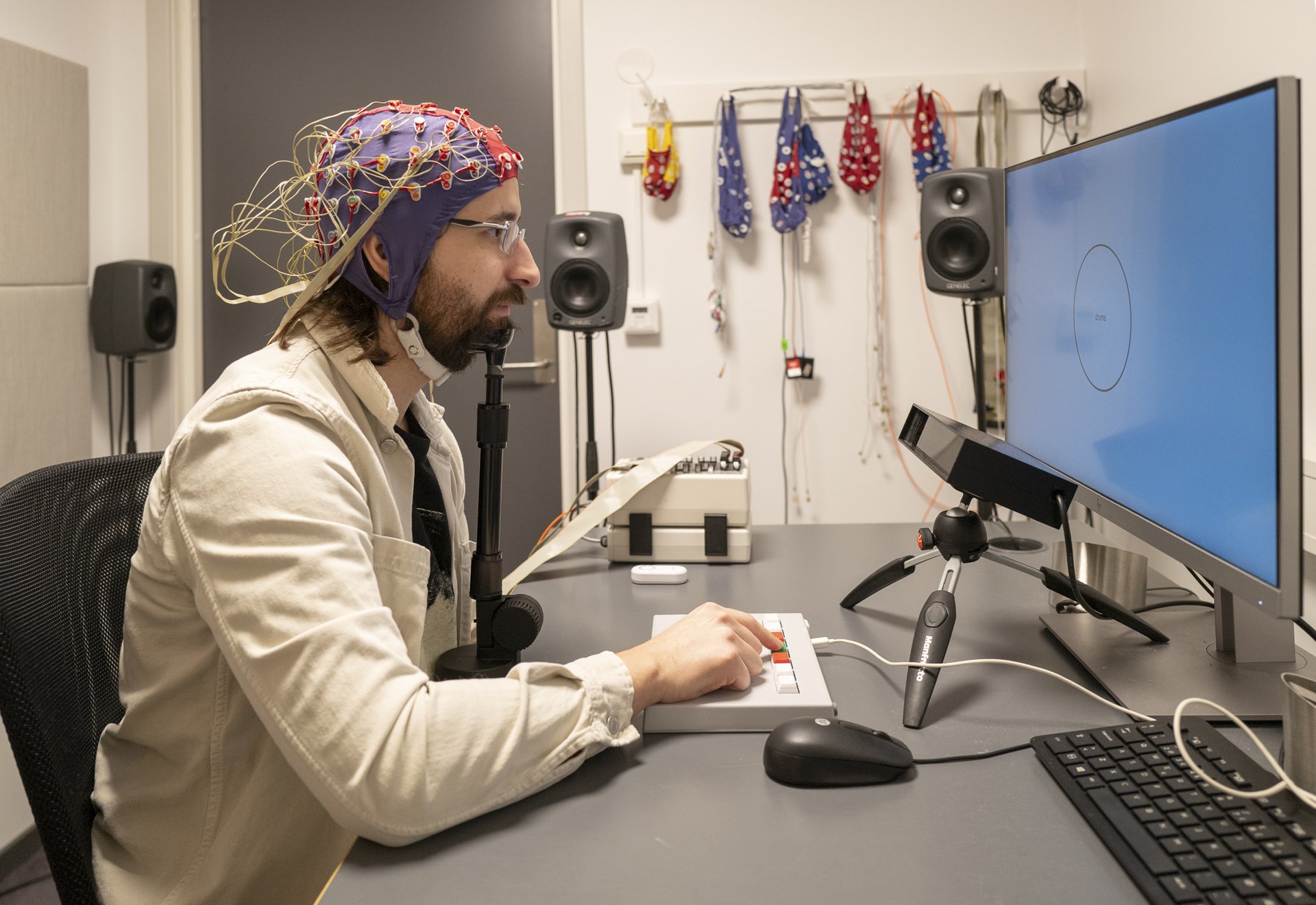
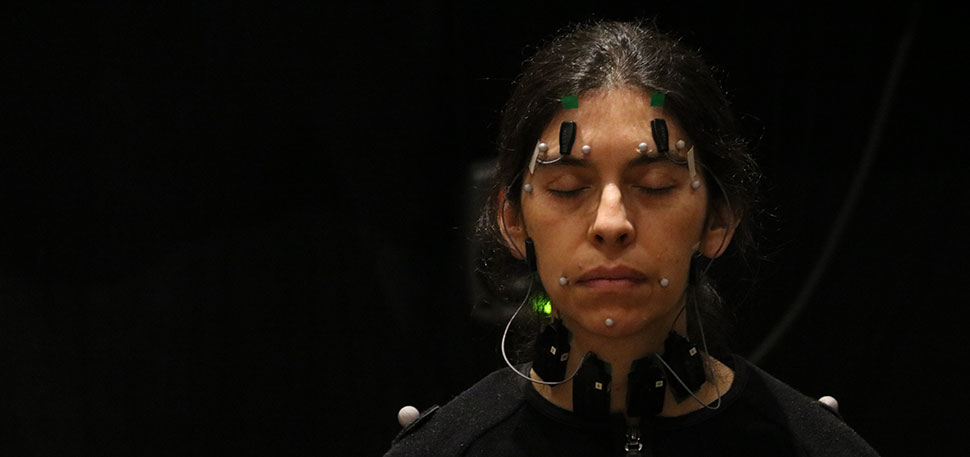
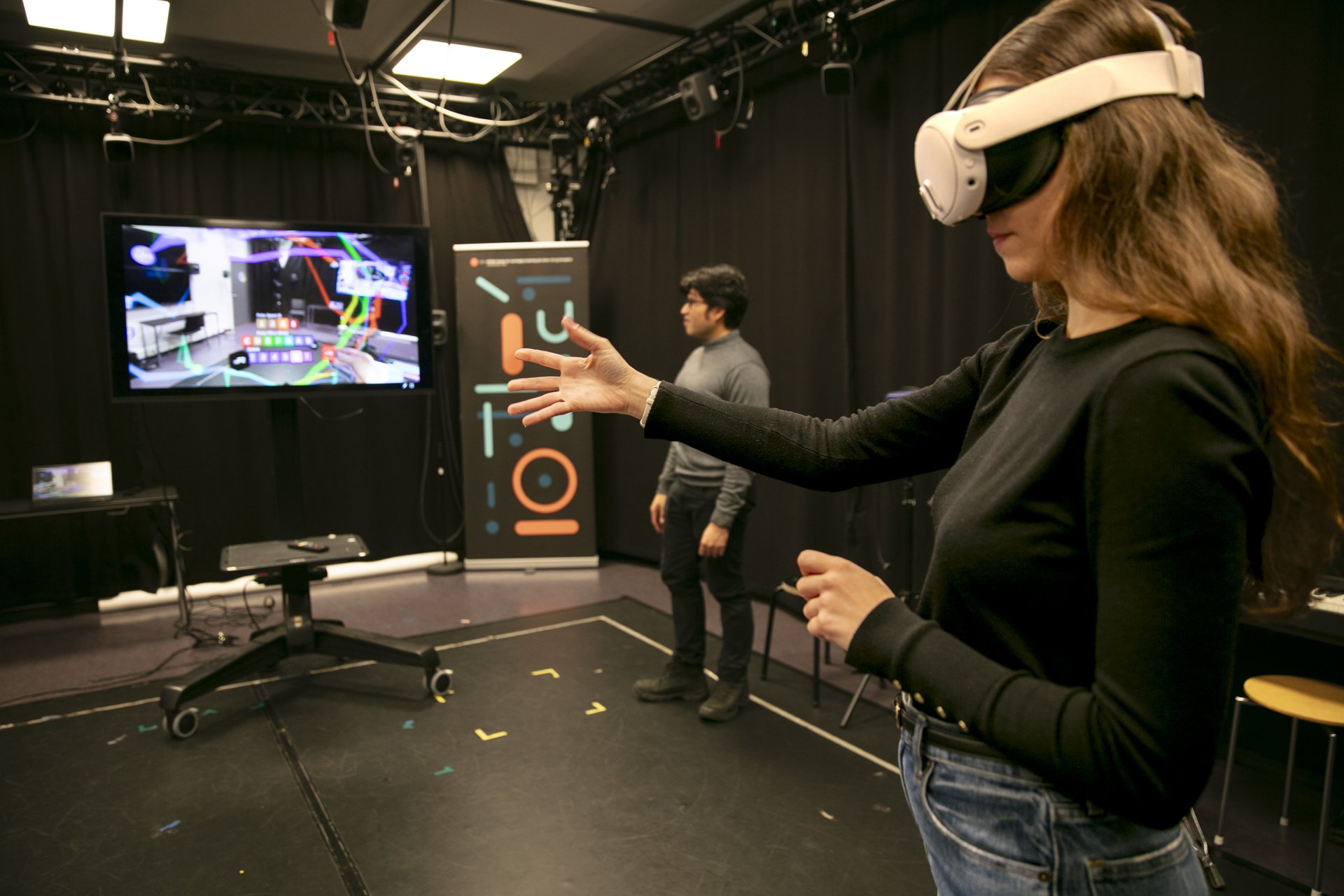
Shared laboratories
fourMs Lab
Music, mind, motion and machines
FRONT Neurolab
Neuroimaging and psychophysiology
ROBIN
Robotics and intelligent systems
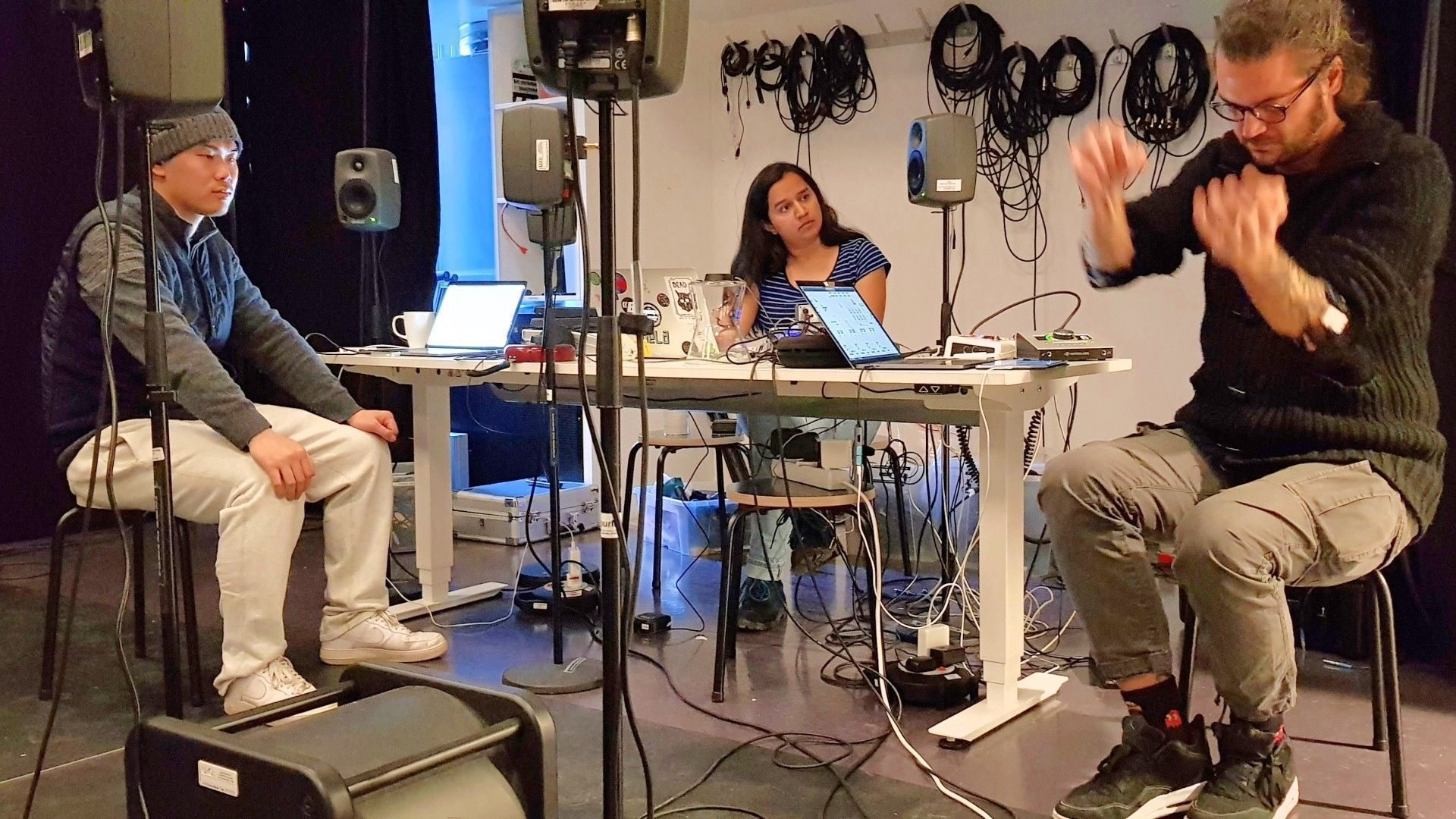
Concert experiments, 2023
Measuring musicians and audiences in the concert hall
Concert experiments, 2024
Breathing, pulse and motion in the orchestra
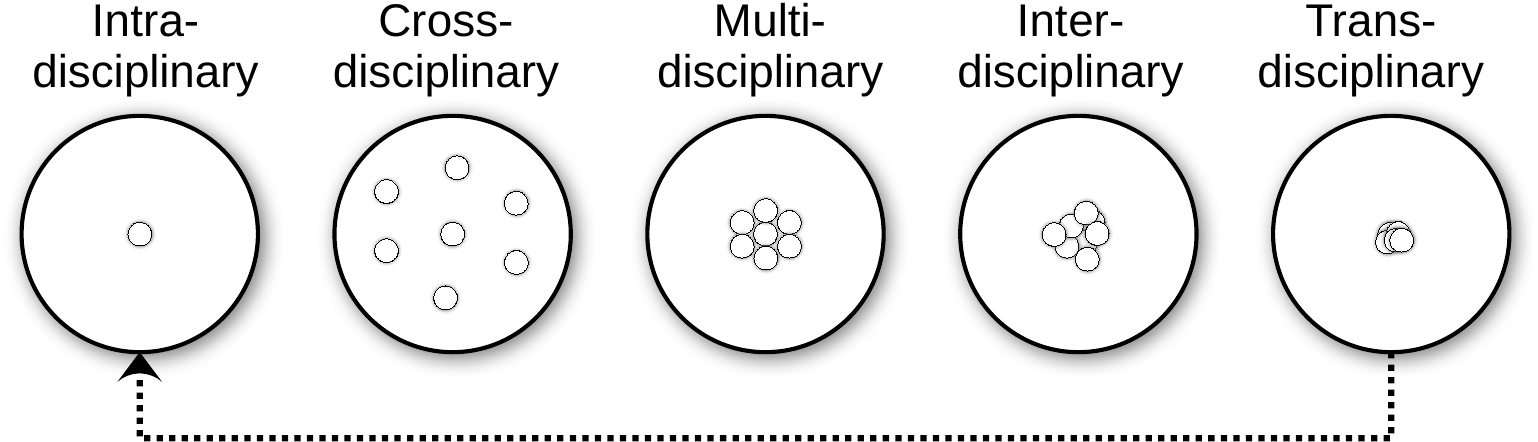
The hard and interesting step is from multi to inter.
Two kinds of border
Across disciplines
Concepts, methods and publication traditions
Across faculties
Departments, budgets and administrative systems
They need different remedies, and we have had to cross both.
Who?
Who are we?
2019
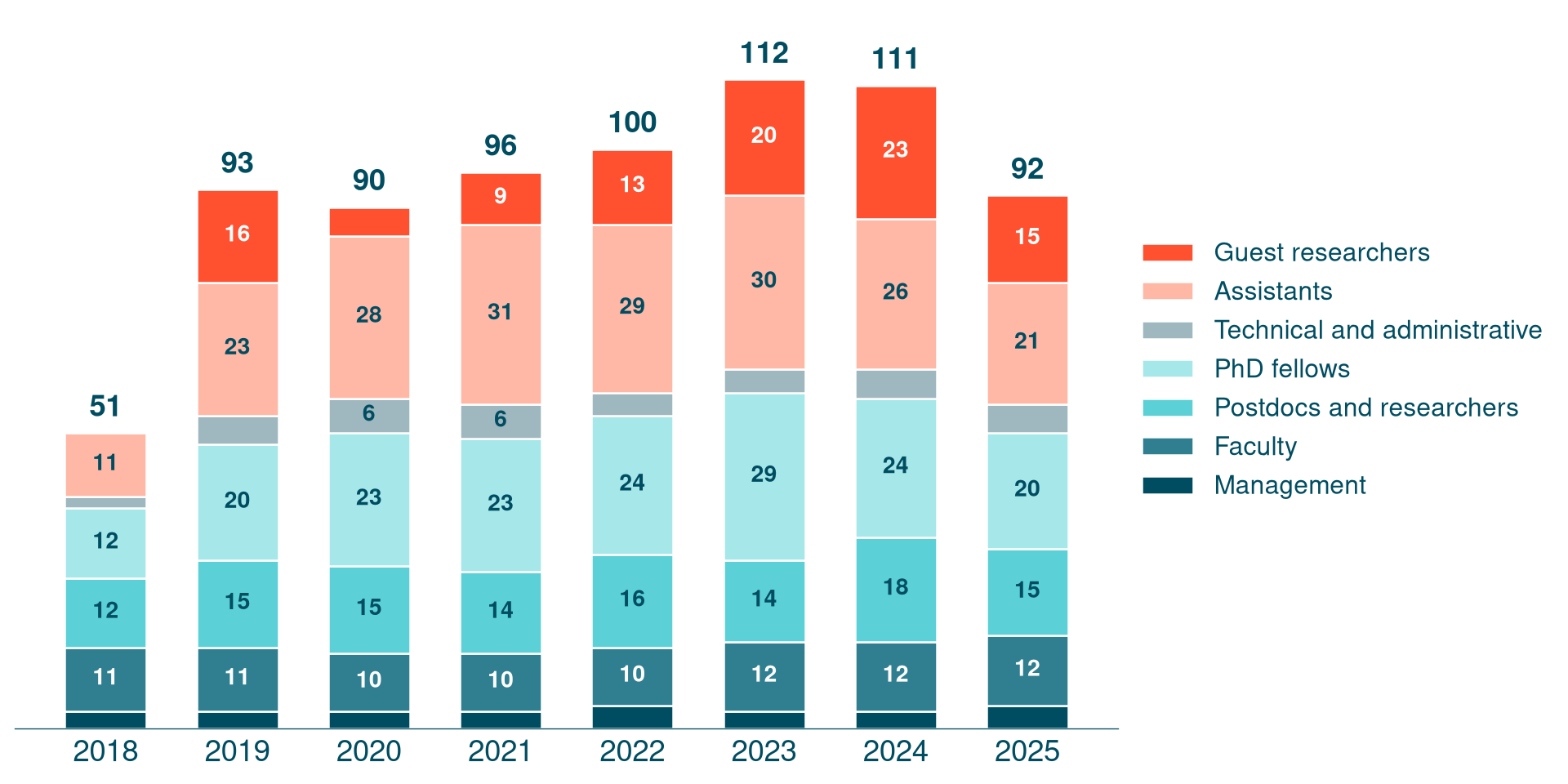
Musicologists, psychologists and informaticians
Centre directors
Anne Danielsen and Alexander Refsum Jensenius
People named in the annual reports, by category
Copenhagen, 2023
Tour de RITMO with Music in the Brain
From recruitment to alumni
Recruitment
International calls, panels from all fields, cohorts that start together
Onboarding
Received at the centre, a career mentor from the start
The ongoing years
Shared supervision, career development, conferences and visits
Leaving
Defences, farewells and an alumni network
Career Development Programme

Time management and career planning

Team and collaboration skills; ethics at the workplace

Project management

Obtaining funding

Dissemination and presentation skills

Alternative career paths
Where?
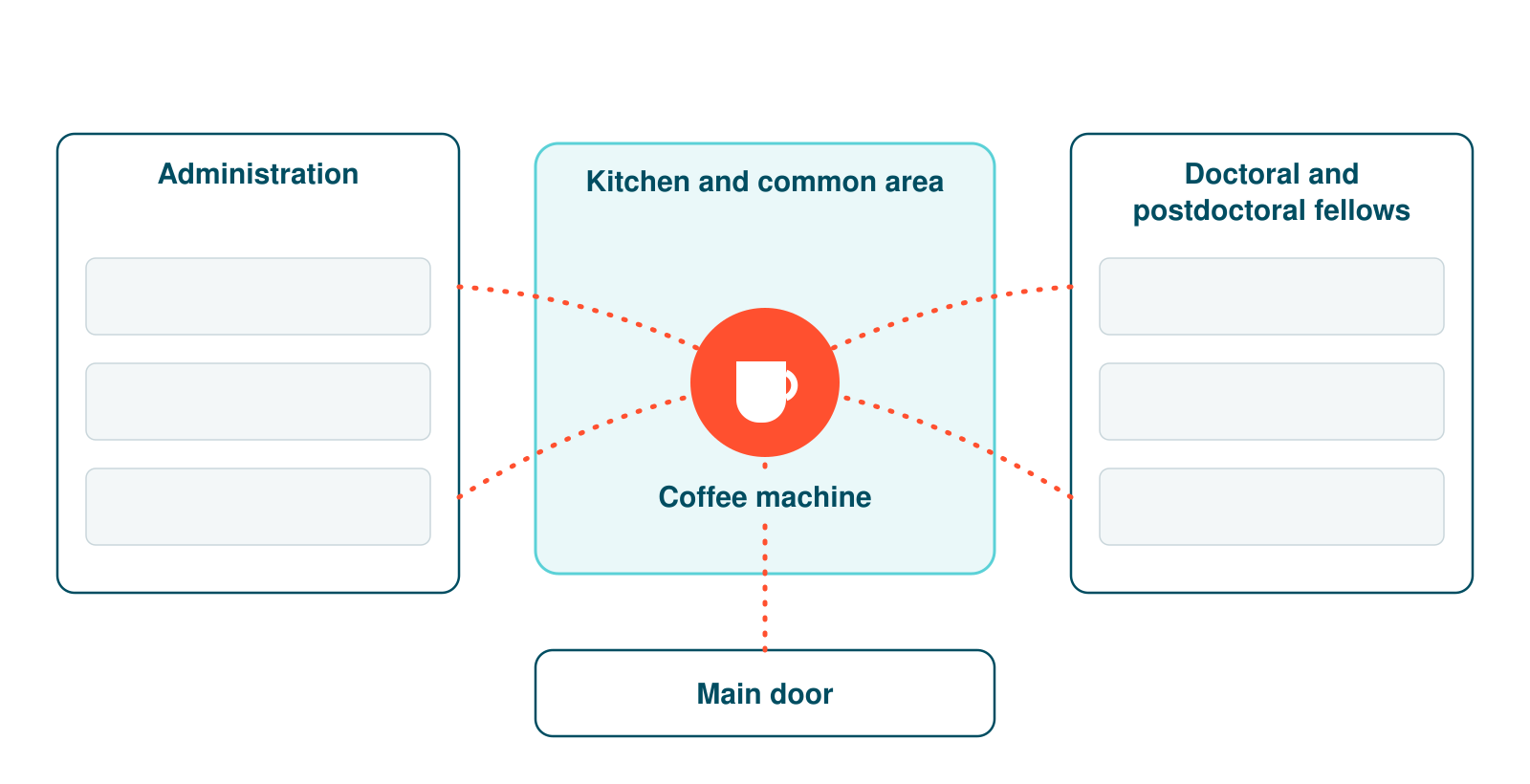
A place designed for meeting
Harald Schjelderups hus, Oslo
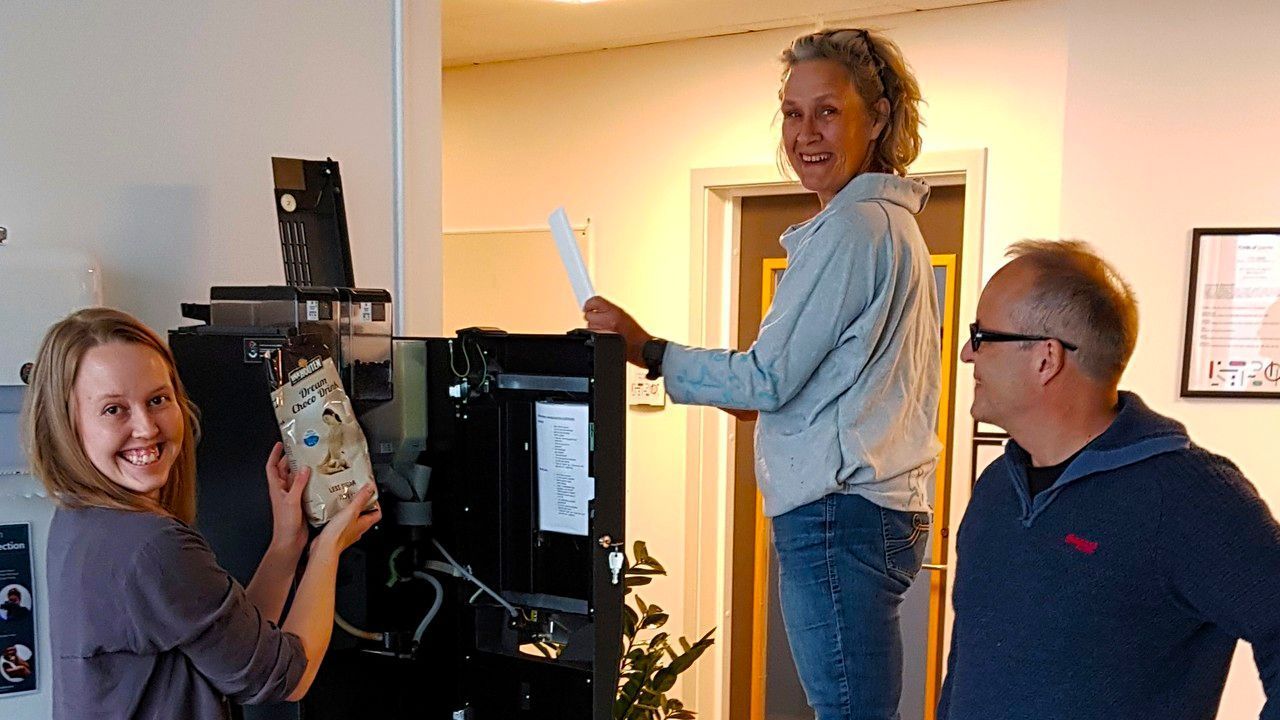
"Hang out by the coffee machine. That way you meet everyone."
An interior designed for meeting
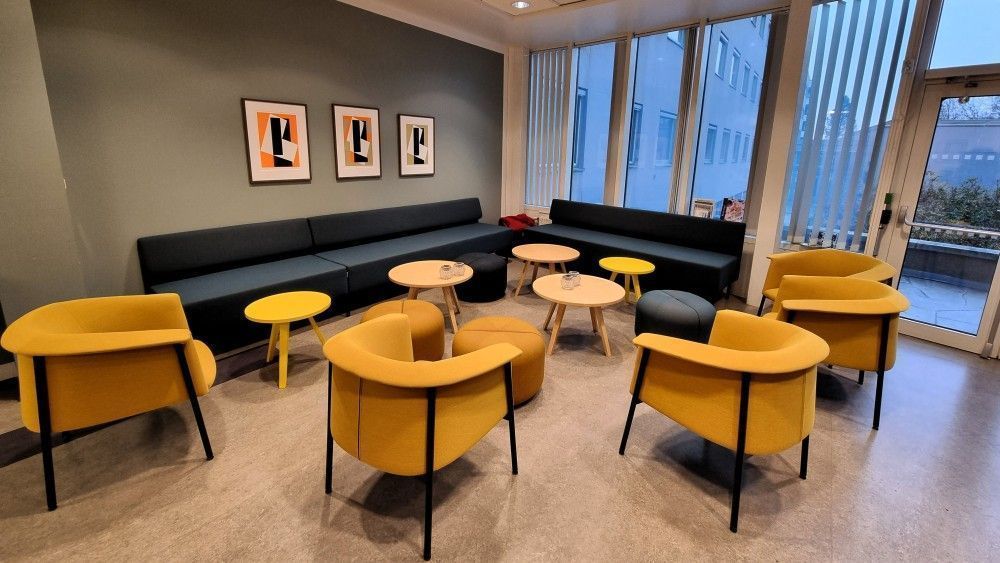
The coffee machine in the middle
Code of conduct

Friendliness

Diversity

Time

Space

Efficiency

Ethics
Written together by everyone at the centre, and hung on the wall by the coffee machine
Friendly to dogs

Everyday life
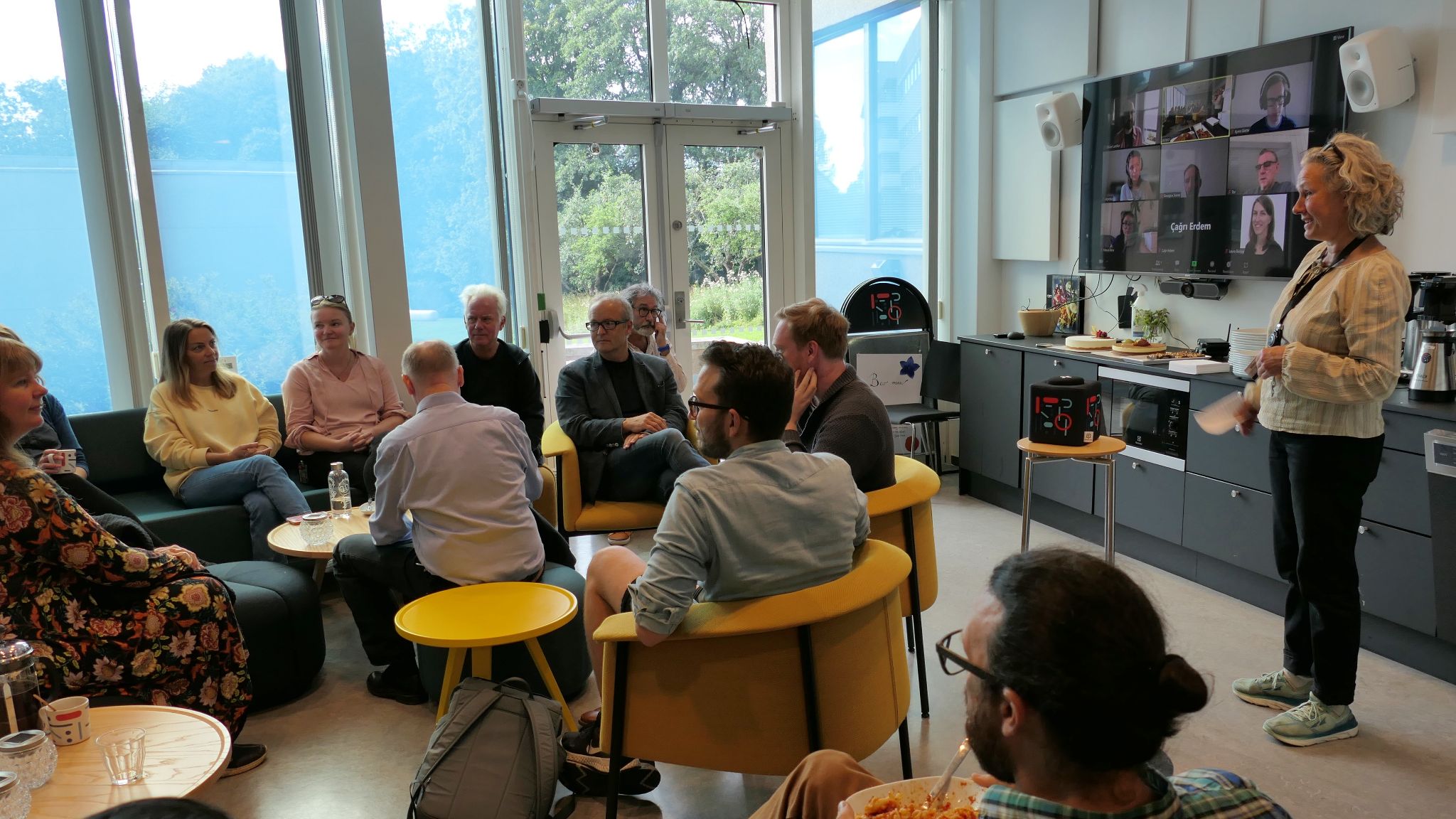
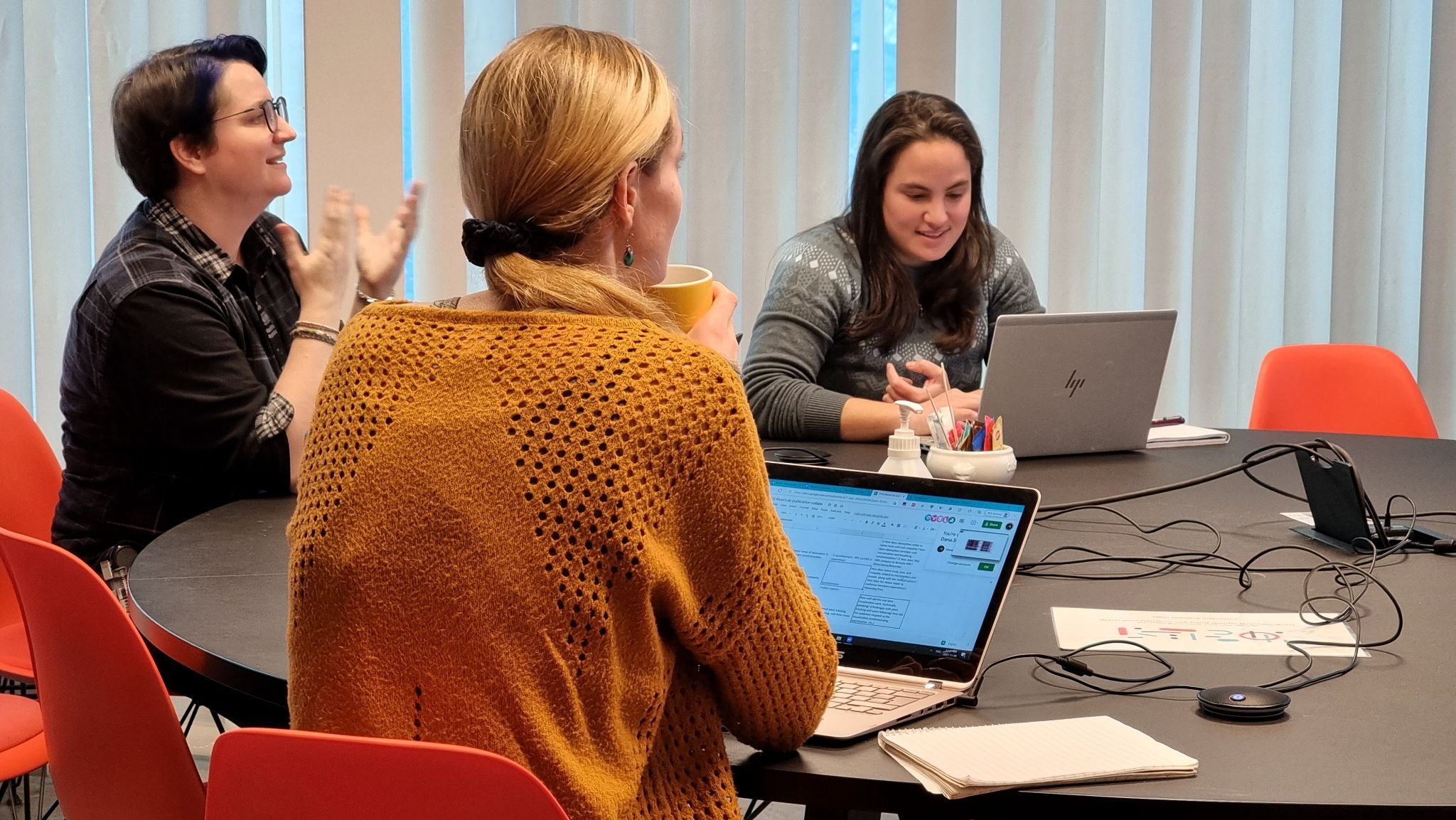
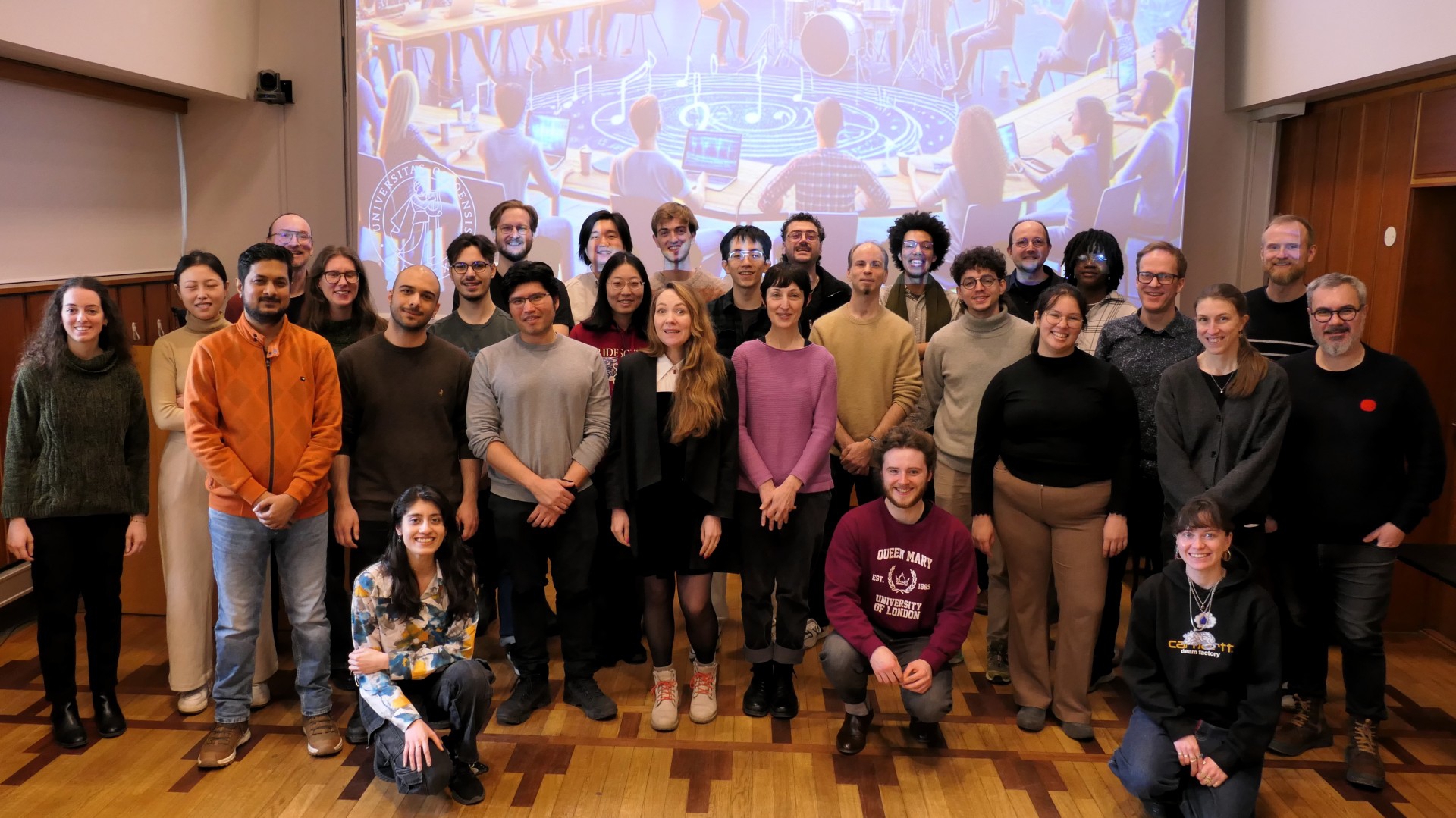
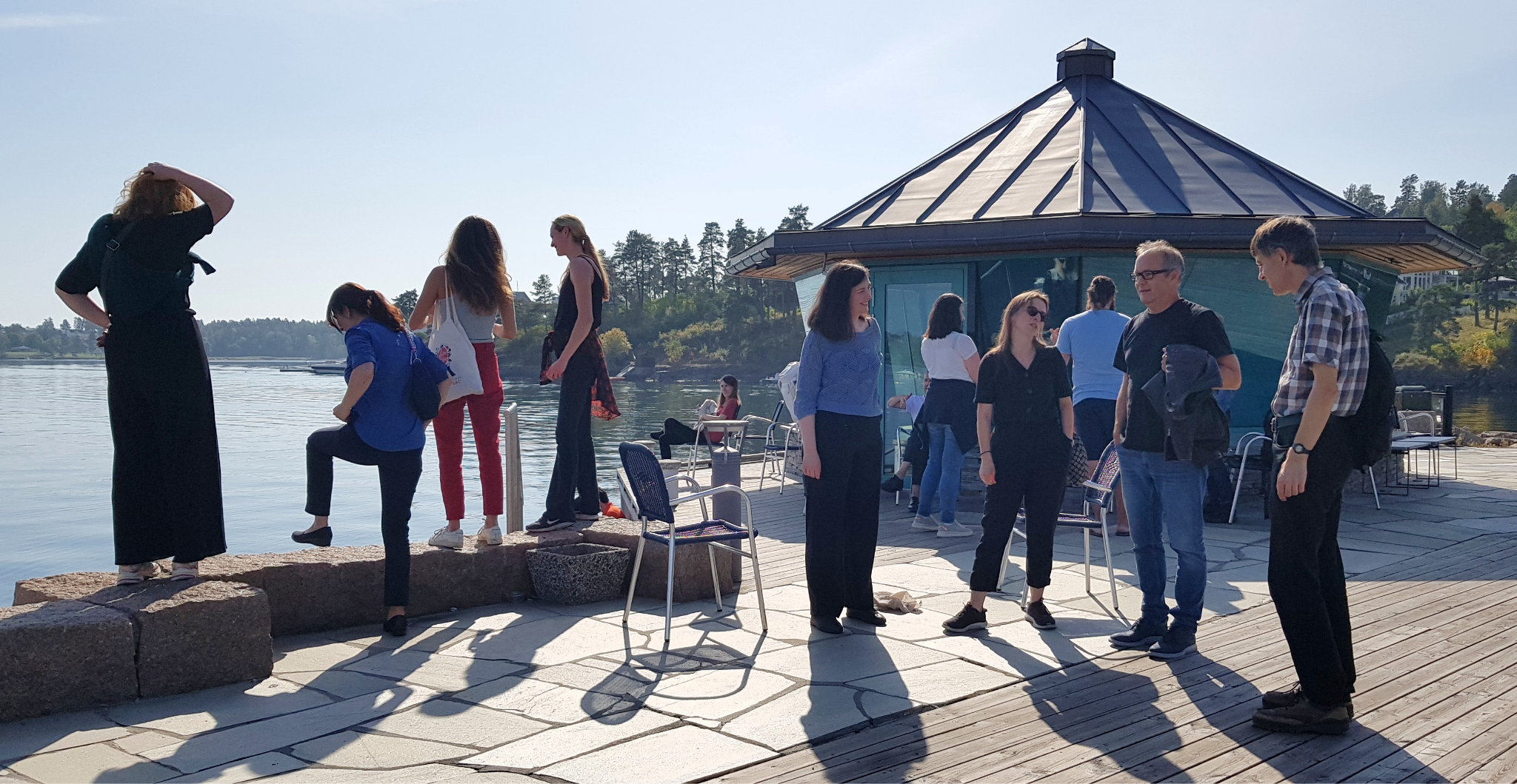
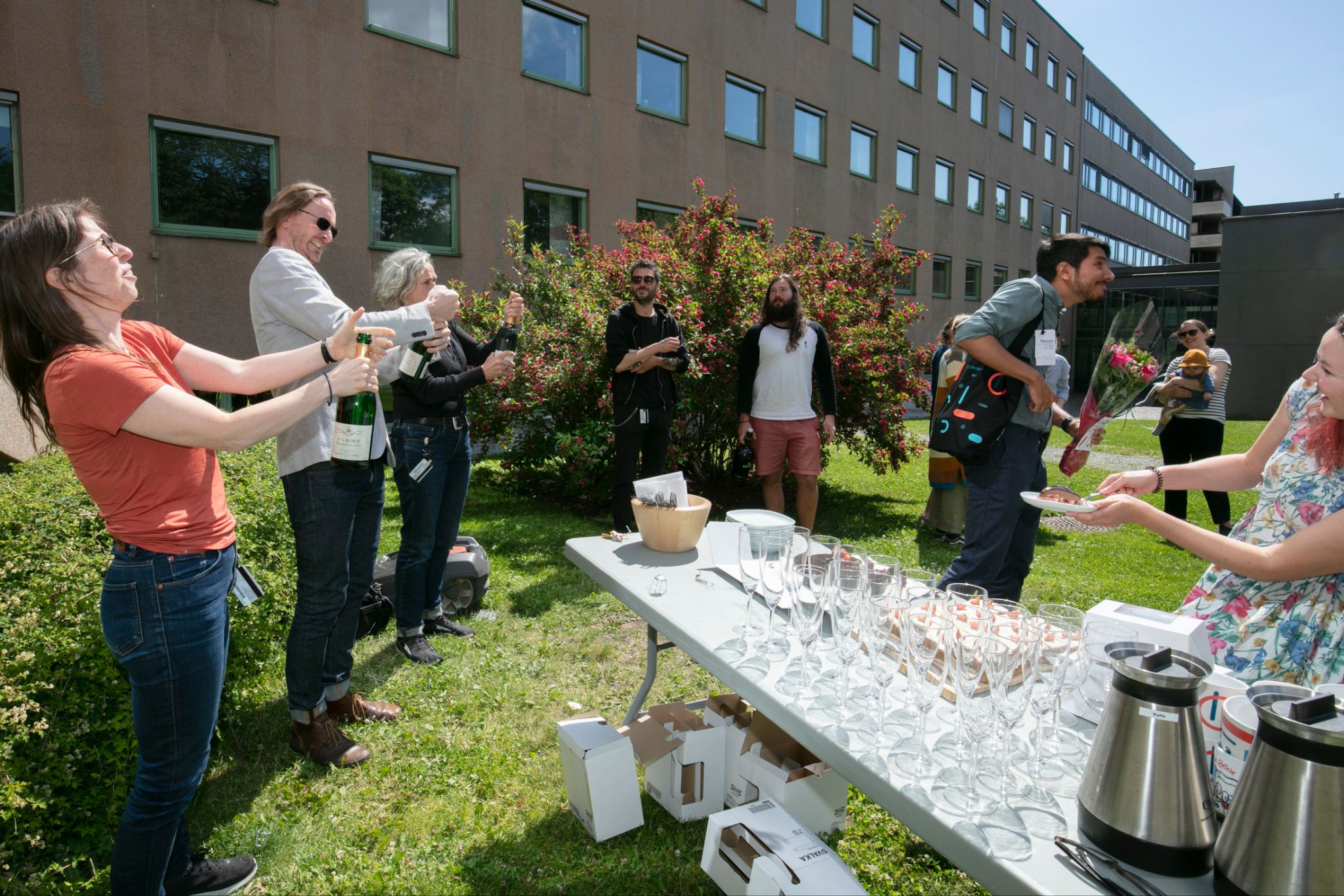
Summer 2023
An excursion above Oslo
December 2023
Tour de RITMO, the winter retreat
May 2023
Holmenkollstafetten
When?
A ten-year centre, with a rhythm of its own
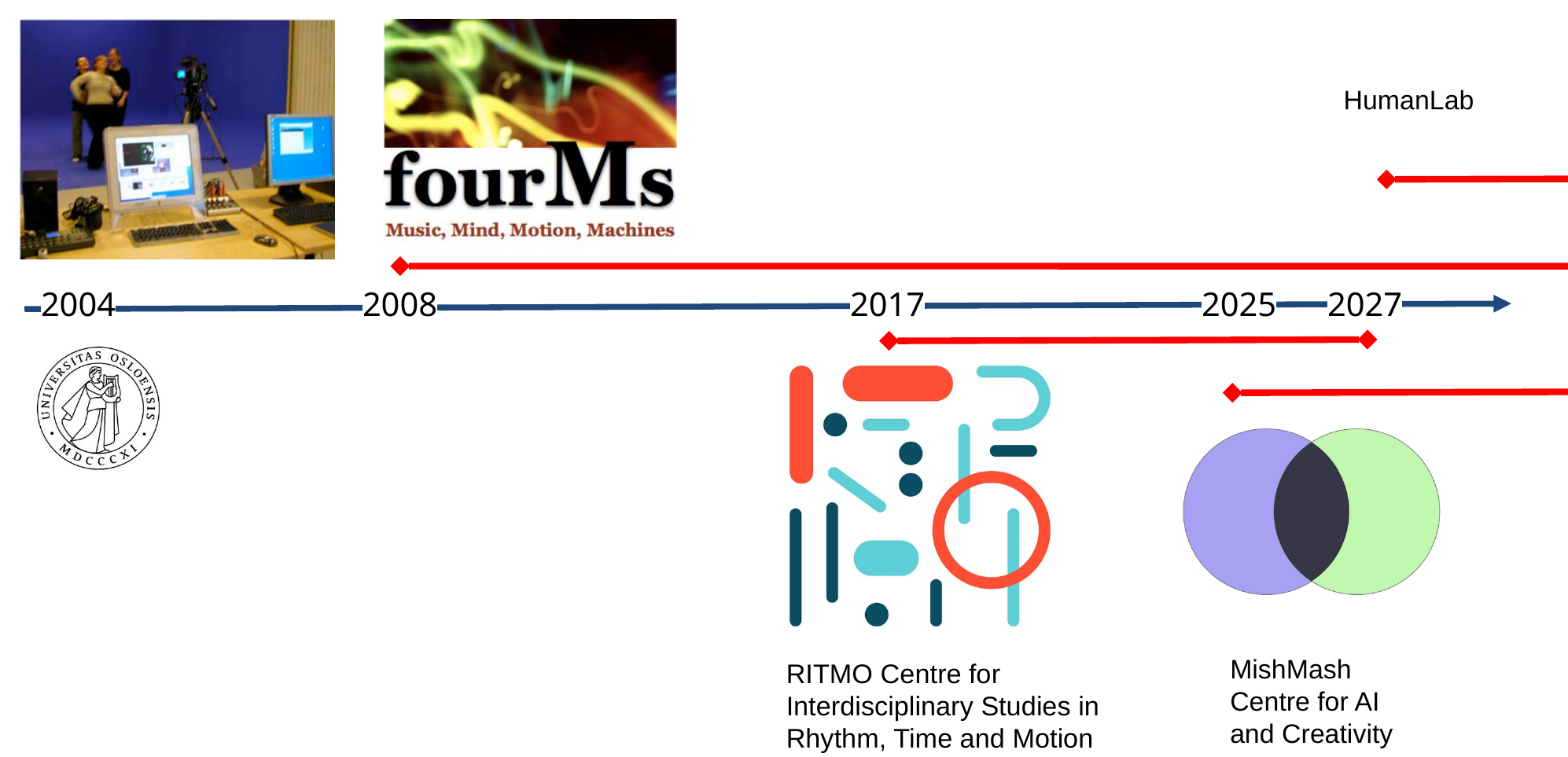
RITMO Largo, 2018
The opening of the centre
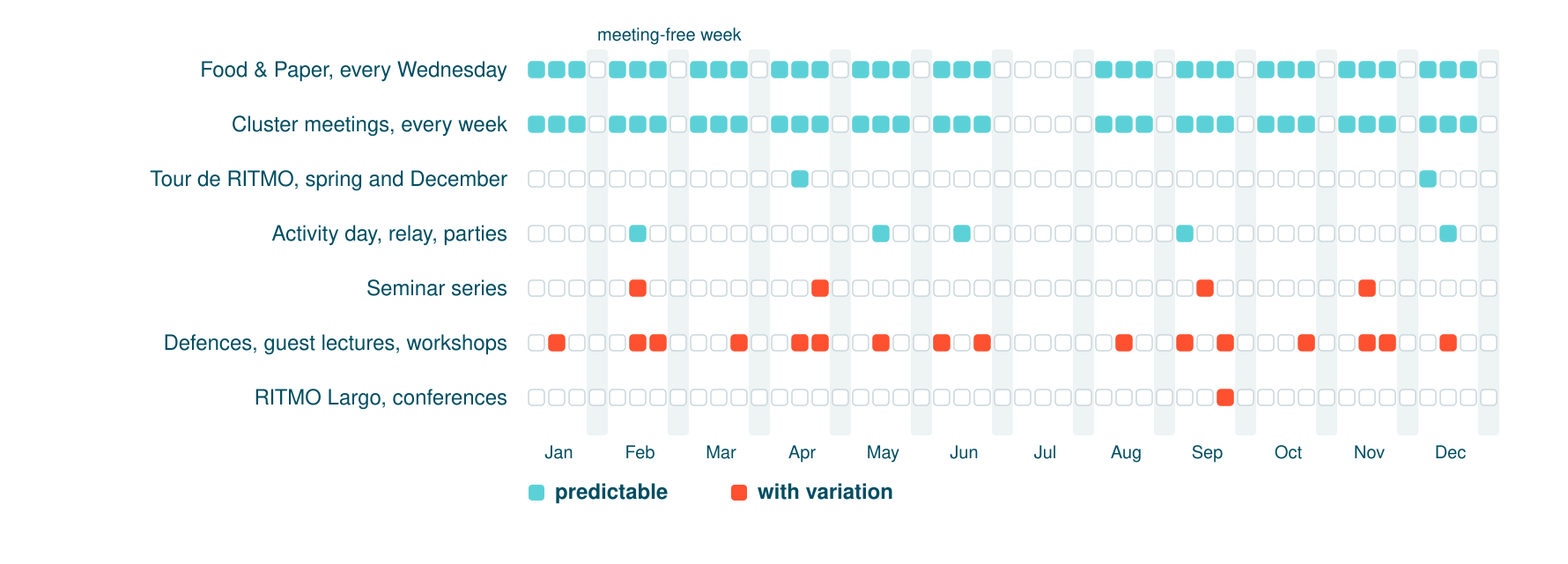
A year of RITMO
SysMus, 2025
Hosting the international conference for students of systematic musicology
A symphony orchestra playing free improvisation under guidance, with a large share of visiting musicians.
Results so far
 Journal
articles
 Book
Bookchapters
Books Doctoral
defences
MusicLabconcerts
Seminarspeakers
Food & Papersessions
Onlinelearners
A centre should close into the institution, not out of it.
Learned?
What have we learned about interdisciplinarity?
Lessons from ten years
- A shared phenomenon, not a shared discipline
- Administration as research infrastructure
- Clusters with fuzzy borders that may change
- One building, with the coffee machine in the middle
- Shared labs, with engineers to run them
- A predictable rhythm, with variation
- People before projects
- Plan for the end from the start
Join?
How to follow our work
uio.no/ritmo
News, people, projects and publications
Seminar series
Open to all, and streamed
MusicLab
Research concerts with the University Library, in real venues
Open research
Data, code and online courses, freely available
uio.no/ritmo
How this deck was made
The content comes from RITMO's annual reports, public web pages and earlier presentations. The numbers are generated by a script from the centre's final-report analyses.
An AI agent drafted the slides, figures and notes; the presenter selected and corrected them.
Responsibility for what is on the screen is the presenter's.
Built with reveal.js